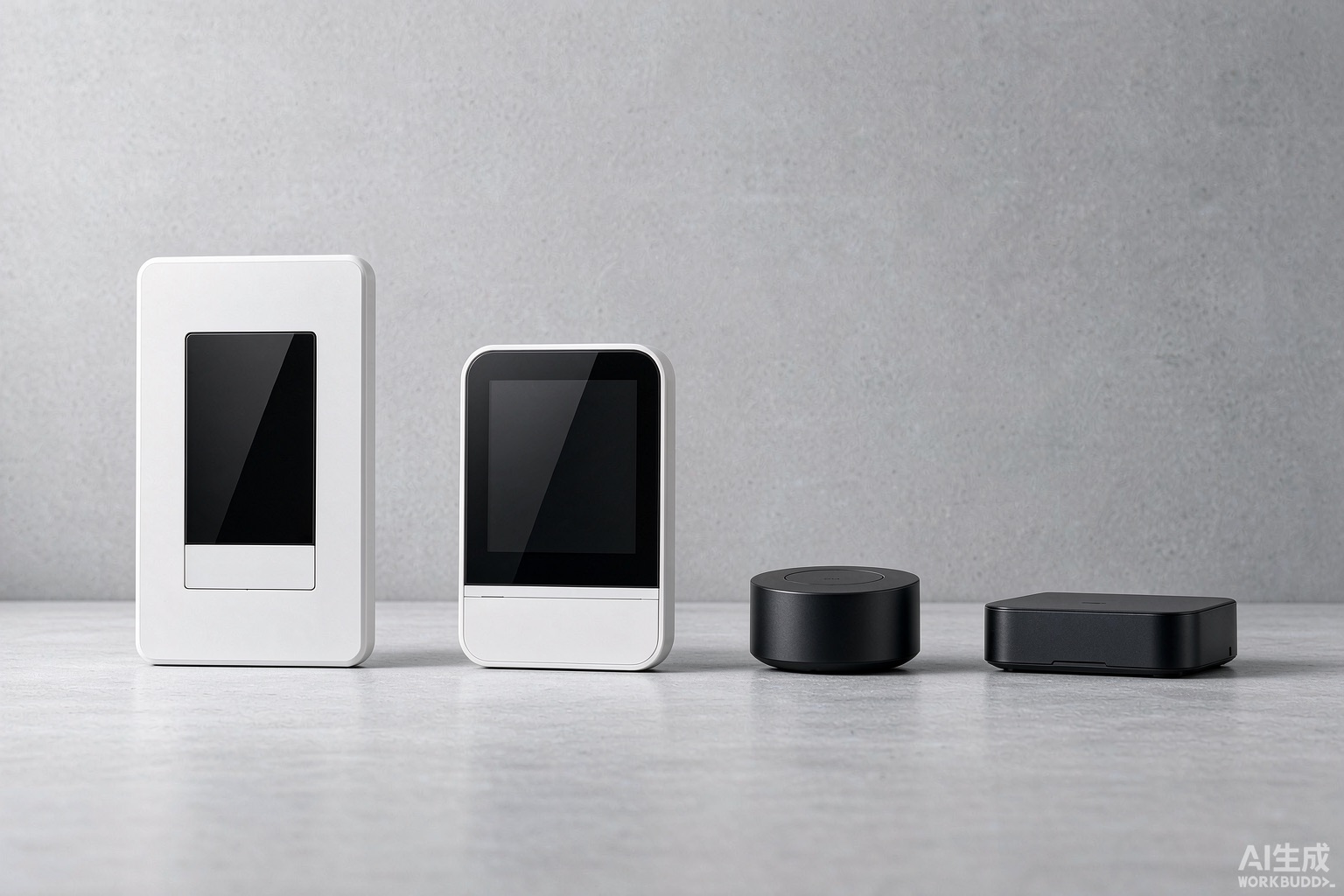
The words OEM and ODM are used interchangeably by half the suppliers you will meet, and wrongly by most of them. In practice the two routes differ in who owns the design, who pays for the moulds, and who is allowed to sell your product to your competitor next year. Deciding which one you need is a commercial decision first and a technical one second — and it should be made before you transfer any money.
Private label / white label — the factory has a finished product. You put your logo on it and, if you are lucky, your colours. Fastest to market, lowest cost, weakest differentiation: the identical board inside it is already in three other catalogues.
OEM (original equipment manufacturing) — you own the specification and the identity; the factory manufactures to it. Typically your brand, your packaging, your UI language, and — at the serious end — your tooling. The factory may contribute engineering, but the product definition and the assets are yours.
ODM (original design manufacturing) — the factory designs and manufactures; you buy the result, usually with your branding on top. The design files, firmware source and moulds stay with the factory unless your contract says otherwise — which they usually do not.
Most “OEM” quotes you receive are actually private label with a logo. The test is simple: ask who owns the moulds and who holds the firmware source.
Private label: unit price only. You can be selling in weeks. The hidden cost is strategic — you own nothing except a logo, and your margin is defended by nobody.
OEM: unit price plus tooling plus engineering time. For a KNX touch panel or DALI driver, tooling for a new enclosure and a custom parameter set is a five-figure commitment before the first production unit. In exchange you get assets: moulds you can move, a design you can defend, a spec nobody else sells.
ODM: sits between — often the factory amortises design cost into unit price, which looks attractive until you read the exclusivity clause. ODM platforms are frequently sold, lightly customised, to several brands in the same region. Ask to see the customer list by region; a serious factory will tell you who already has your market.
In real projects the routes mix. A common and sensible sequence for a smart home brand: launch the first generation on a private-label or ODM platform to test the market; simultaneously own the parts customers actually see and touch — packaging, UI, application configuration; then commit tooling for generation two once demand is proven, migrating to full OEM with your name on the certificates.
What kills brands is not choosing the wrong route — it is assuming the route they were sold. A “private label” that quietly turns out to be shared with a competitor. An “ODM partnership” whose firmware source you can never buy. An “OEM project” where the mould invoice was never issued, so the tooling belongs to whoever paid for it — the factory.
None of this is exotic. All of it is routinely missing from agreements signed after three friendly WeChat calls and one attractive proforma invoice.
Choose private label when speed matters more than ownership. Choose OEM when the product is the brand. Choose ODM when you trust the factory more than you trust your own roadmap — and get the exclusivity in writing.
Working on a KNX or smart-home product and unsure about the certification route? Tell me what you are building — I answer with the honest version, including when not to build it.
Feasibility, certification route and landed cost — before you spend anything on tooling.