OEM / ODM · China

Your own smart home line, built in China by someone who has to live with it.

Managed OEM and ODM programs across the full KNX and DALI lines — touch panels, shading and curtain motors, gateways, thermostats, sensors, lighting. Specification, certification, tooling, private label and batch QC, under your brand. MOQ from 200 pcs.

15 years in smart home & KNX products · Based in Beijing, working with brands across Europe and the Middle East

What you are actually buying

  • MOQ from 200 pcs — a real number, not a bait that doubles at tooling time
  • Samples provided — production-intent samples before any tooling commitment
  • Certification support included — for many products, several certifications at no extra cost
  • Custom design on request — mechanics, UI, firmware and packaging to your brief
  • Fast, direct answers — same-day replies in English, from the engineer who runs your project
  • Zero factory commission — the unit price is the factory price
200 pcsMinimum order quantity — per variant
KNX + DALIFull product lines under one program
SamplesProvided before any tooling commitment
24 hResponse time, in English, direct to the engineer
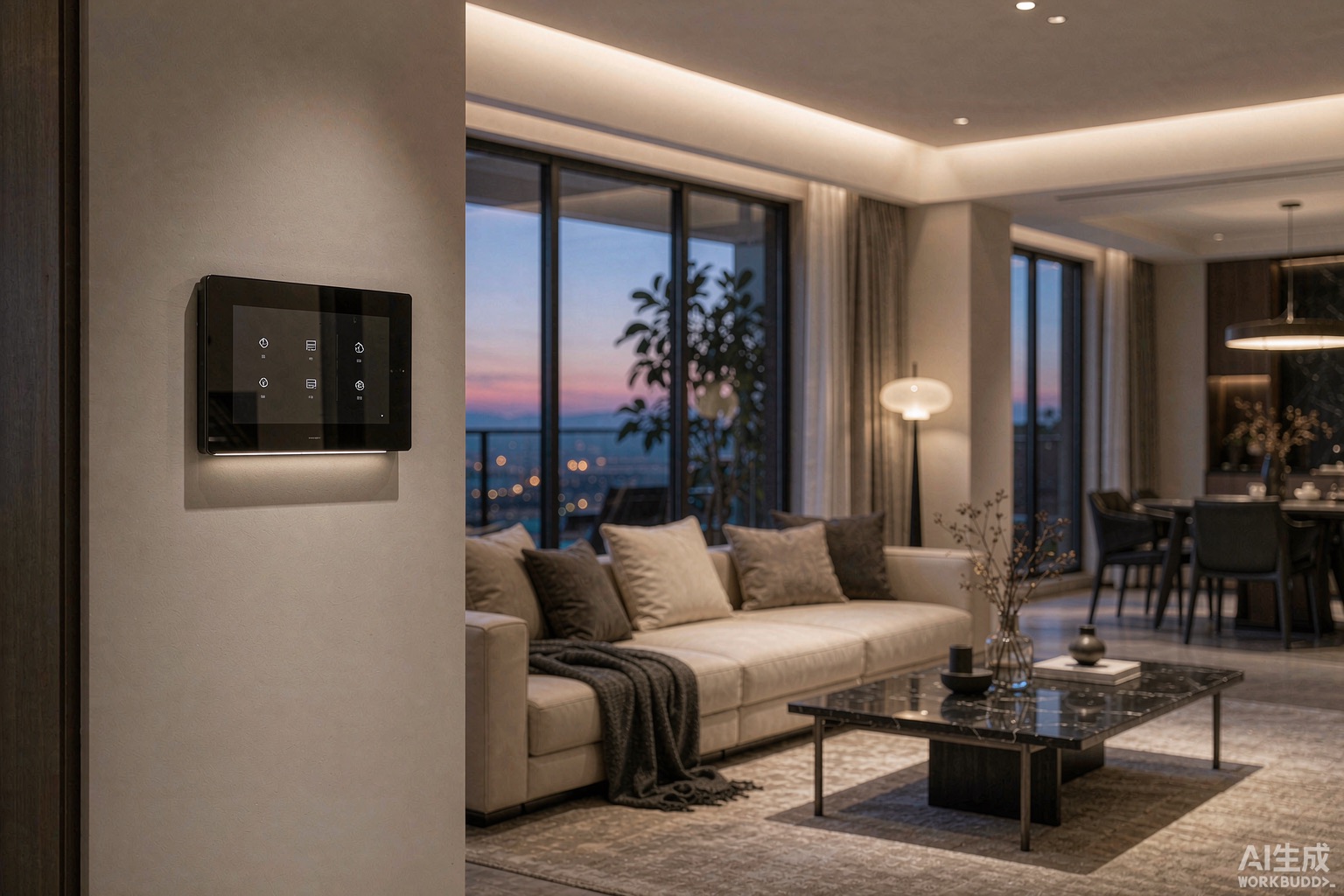
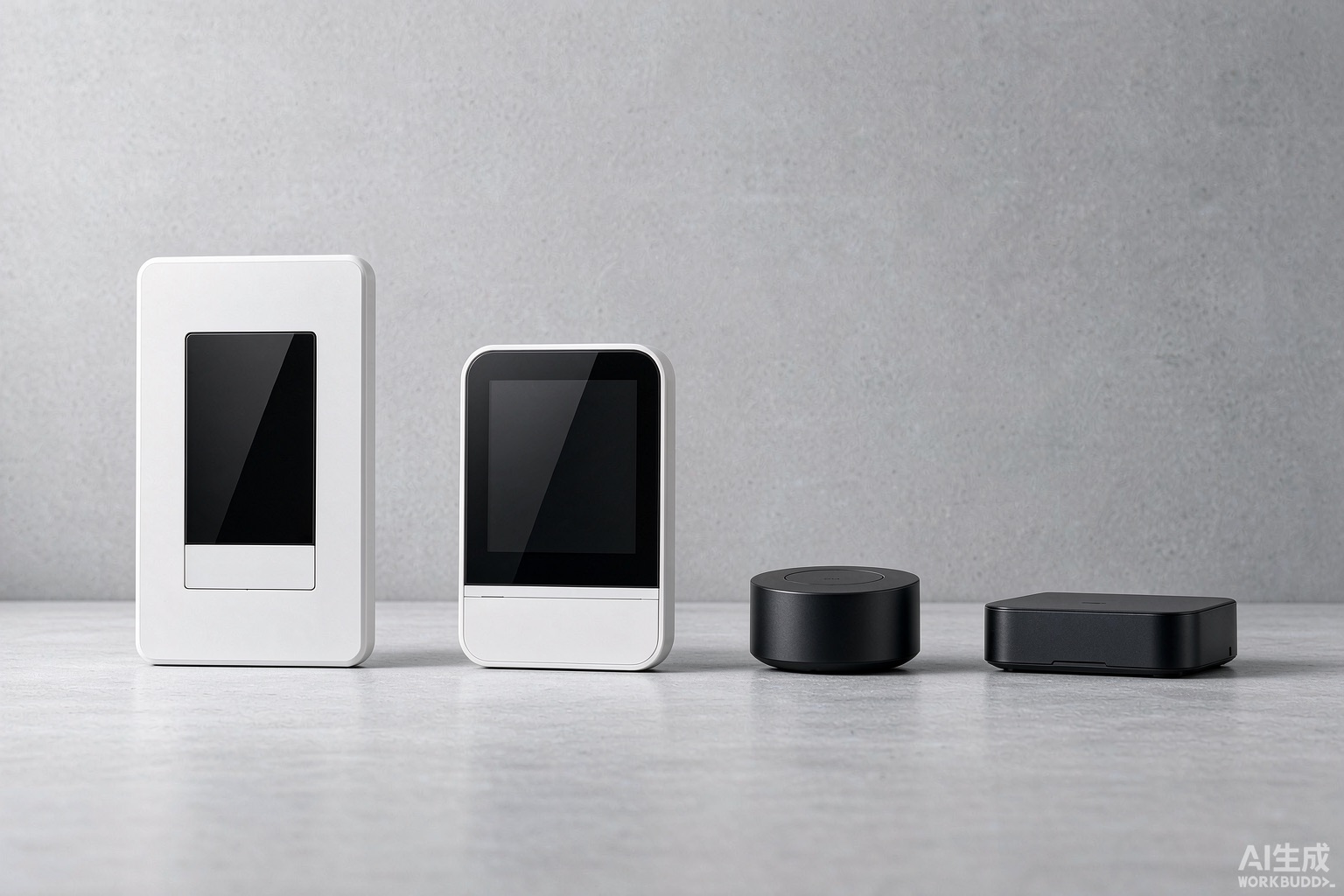
Smart home touch panel in a modern living room
The problem

Most China OEM projects fail in the same three places

Not in manufacturing — Chinese factories are good. They fail in the gaps that nobody owns until the container arrives.

01

Nobody wrote the specification

A photo of a competitor's product is not a specification. Without written requirements, the factory builds what is cheapest to build, and every argument afterwards is an opinion.

02

Certification was an afterthought

CE marking slapped on at the end, an EMC test that fails, a KNX claim nobody can verify. Certification is a design input, not a sticker applied before shipping.

03

The samples were not the product

Golden samples built by an engineer, production built by a line, firmware version nobody recorded. What arrives is close to what you approved — but not the same.

Product programs

What we build under your brand

Two full product lines — KNX and DALI — plus motors and sensors, sharing one design language, one certification file and one accountable technical owner.
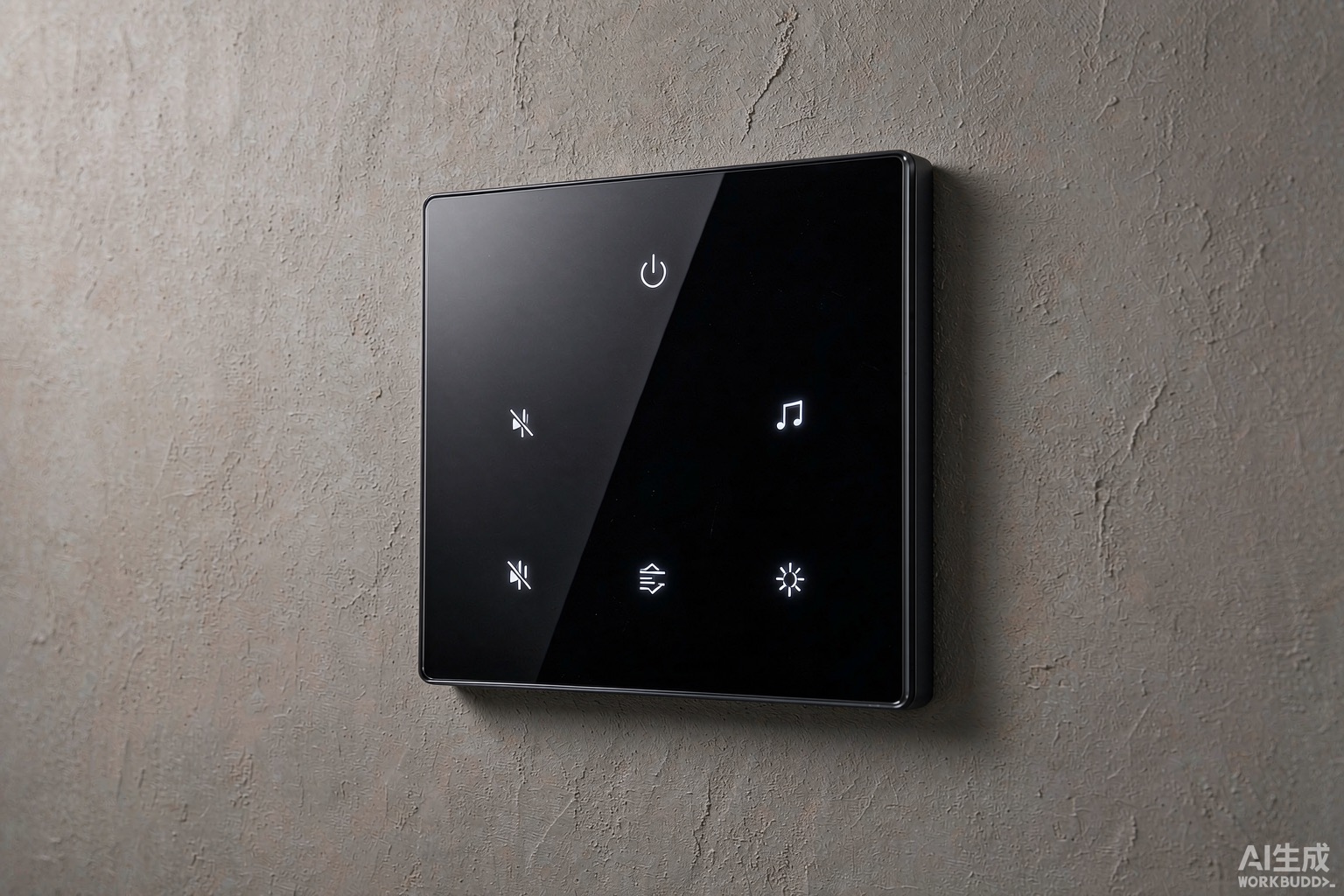
KNX touch panels OEM program

KNX touch panels

Glass panels, metal keypads, multi-gang switches and room controllers — engineered to your design language, with the E…

View program →
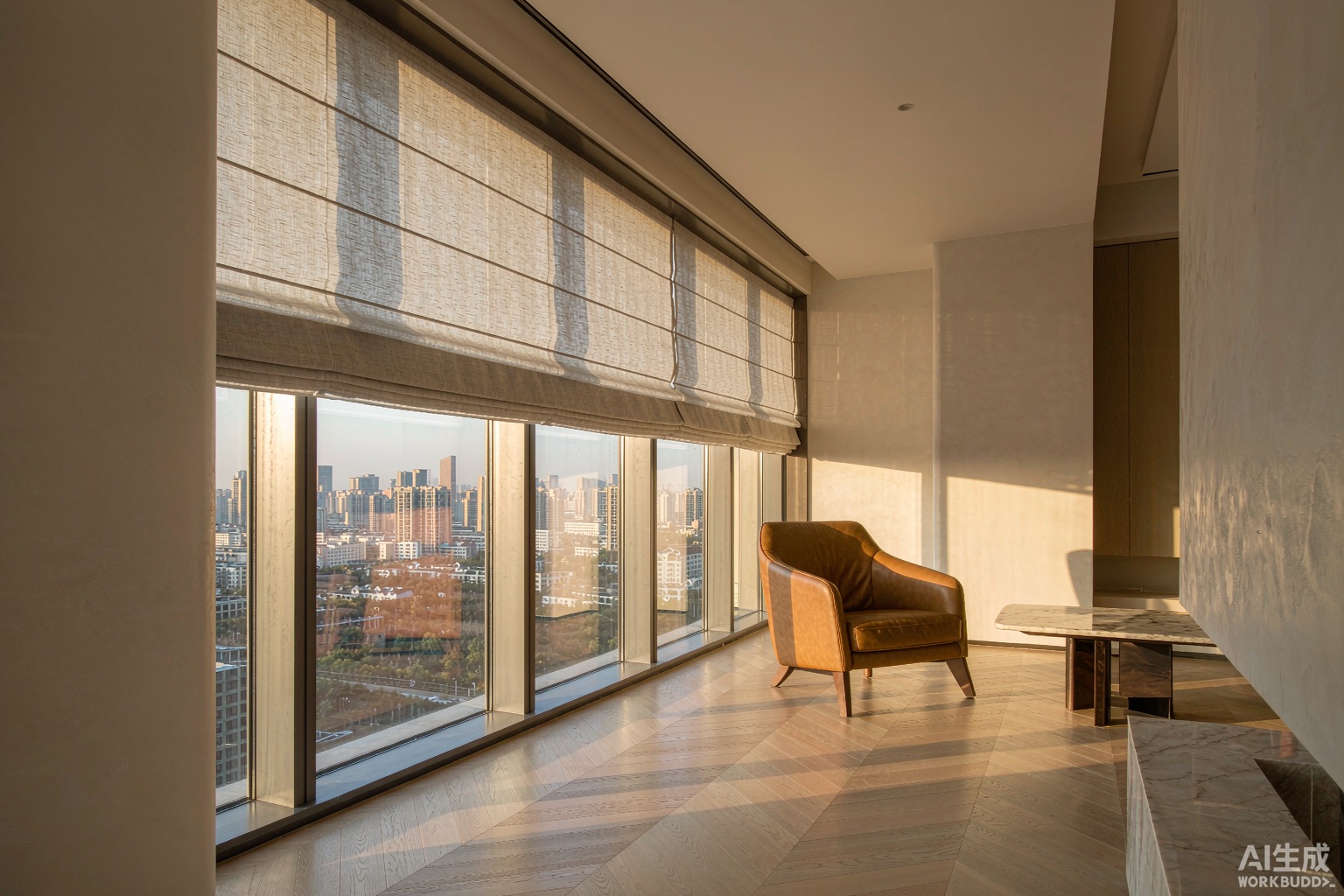
Shading controllers OEM program

Shading controllers

Shutter actuators, 24 V DC motor controllers and blind modules that hold their position, report their state, and do no…

View program →
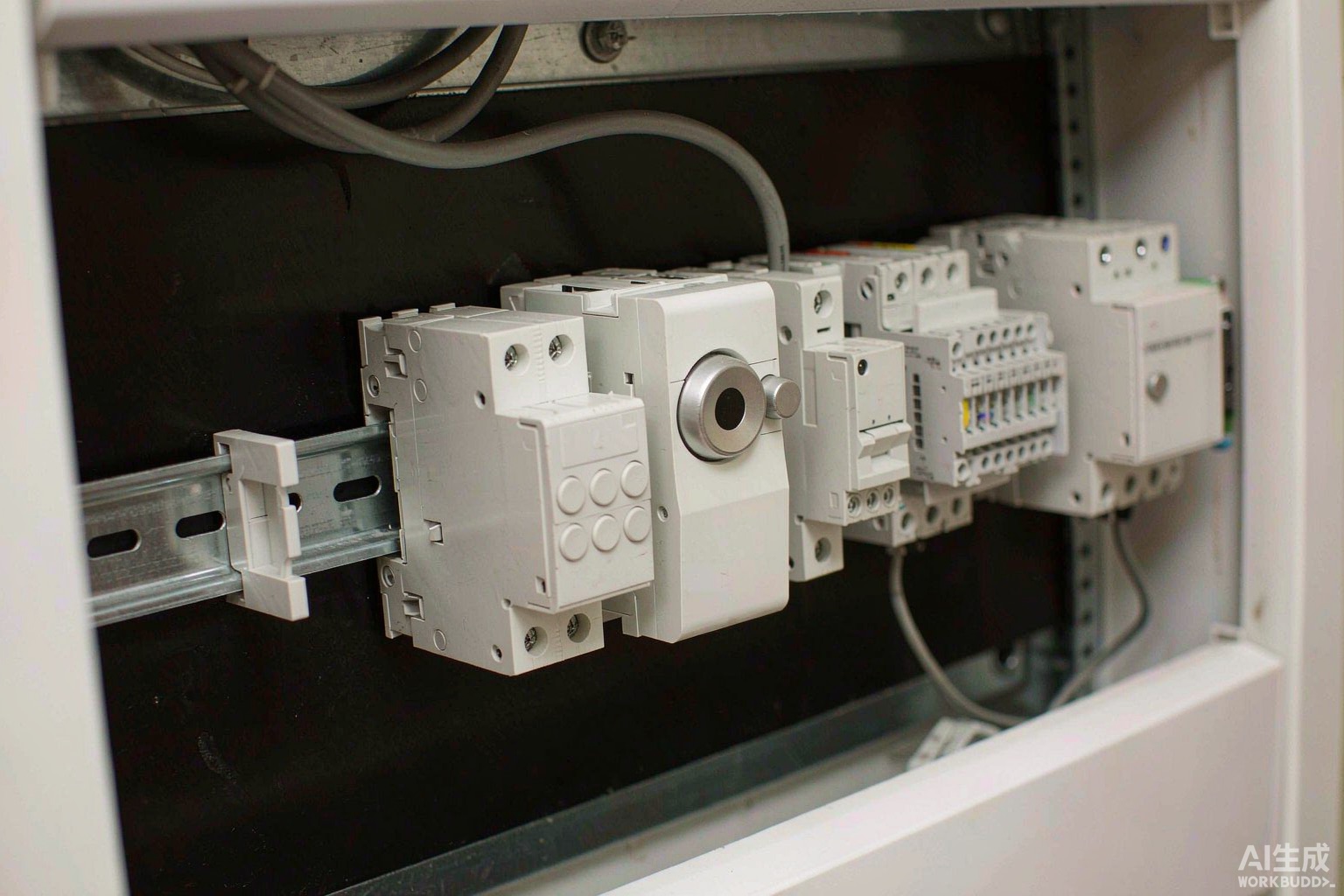
KNX gateways OEM program

KNX gateways

The least glamorous product in the catalogue and the one that decides whether your system works on site: KNX IP interf…

View program →
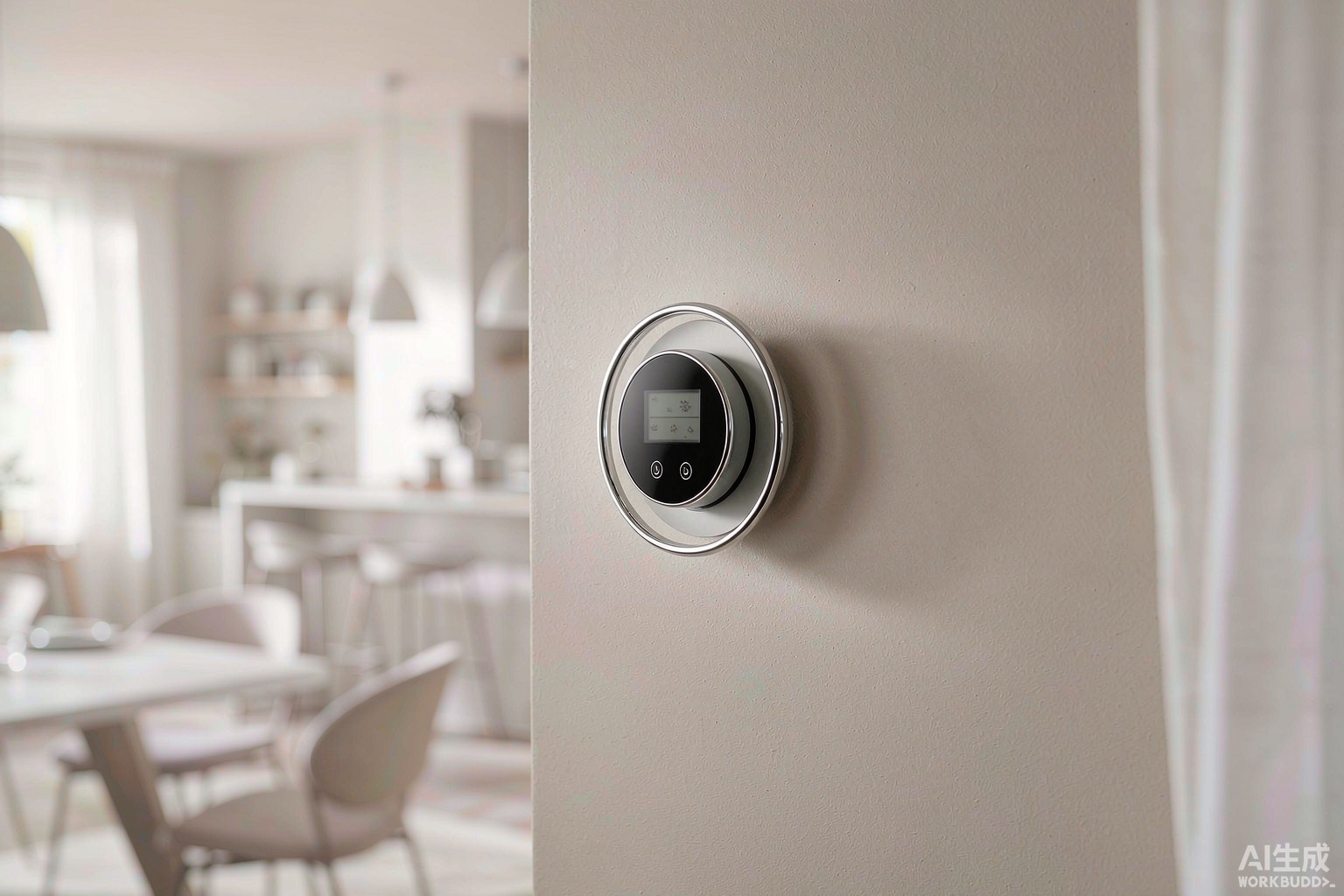
HVAC thermostats OEM program

HVAC thermostats

Room thermostats, fan coil controllers and underfloor heating modules — where the difference between a good product an…

View program →
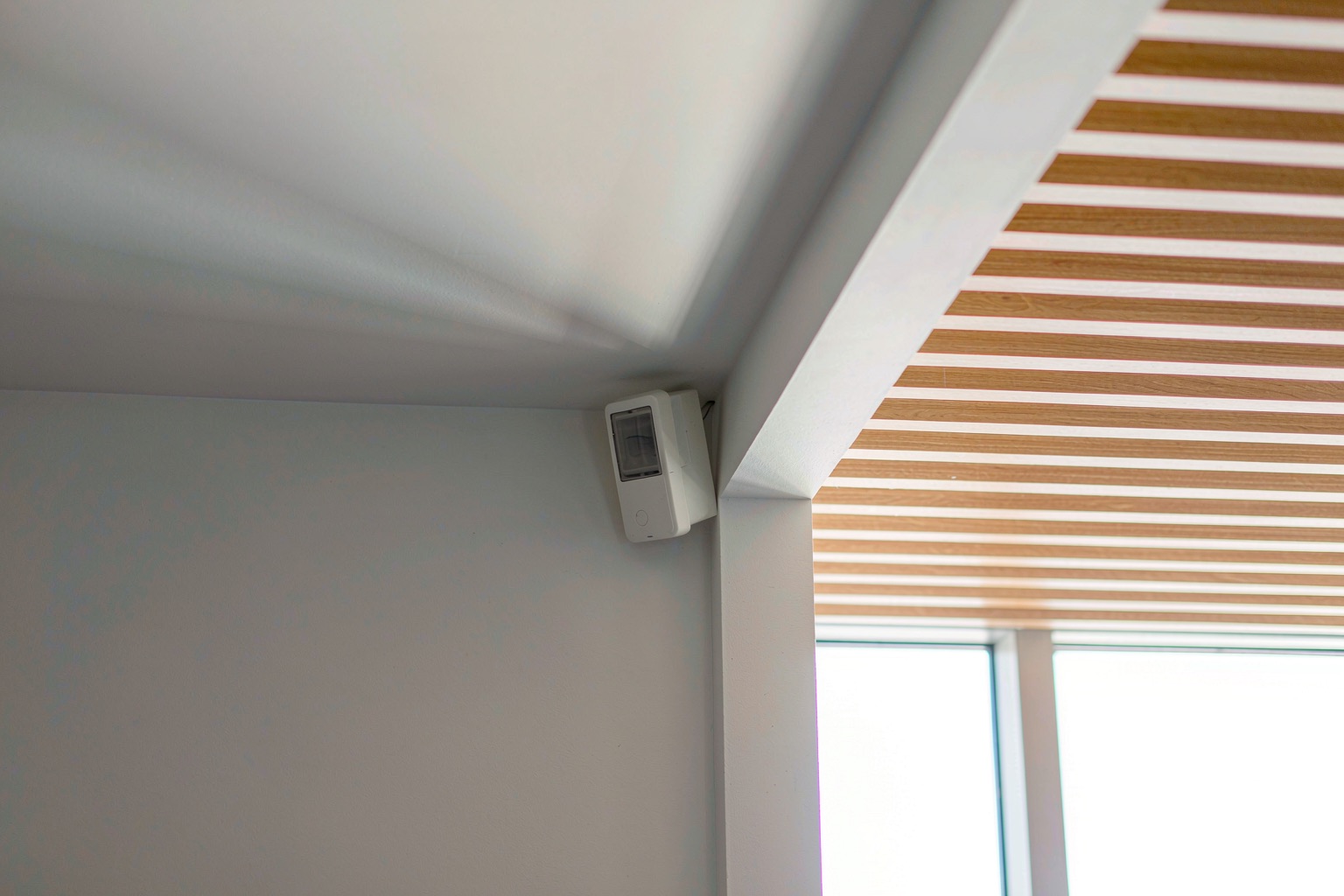
Presence sensors OEM program

Presence sensors

Presence detectors, multi-sensors and air-quality modules — the products that decide whether a “smart” building feels …

View program →
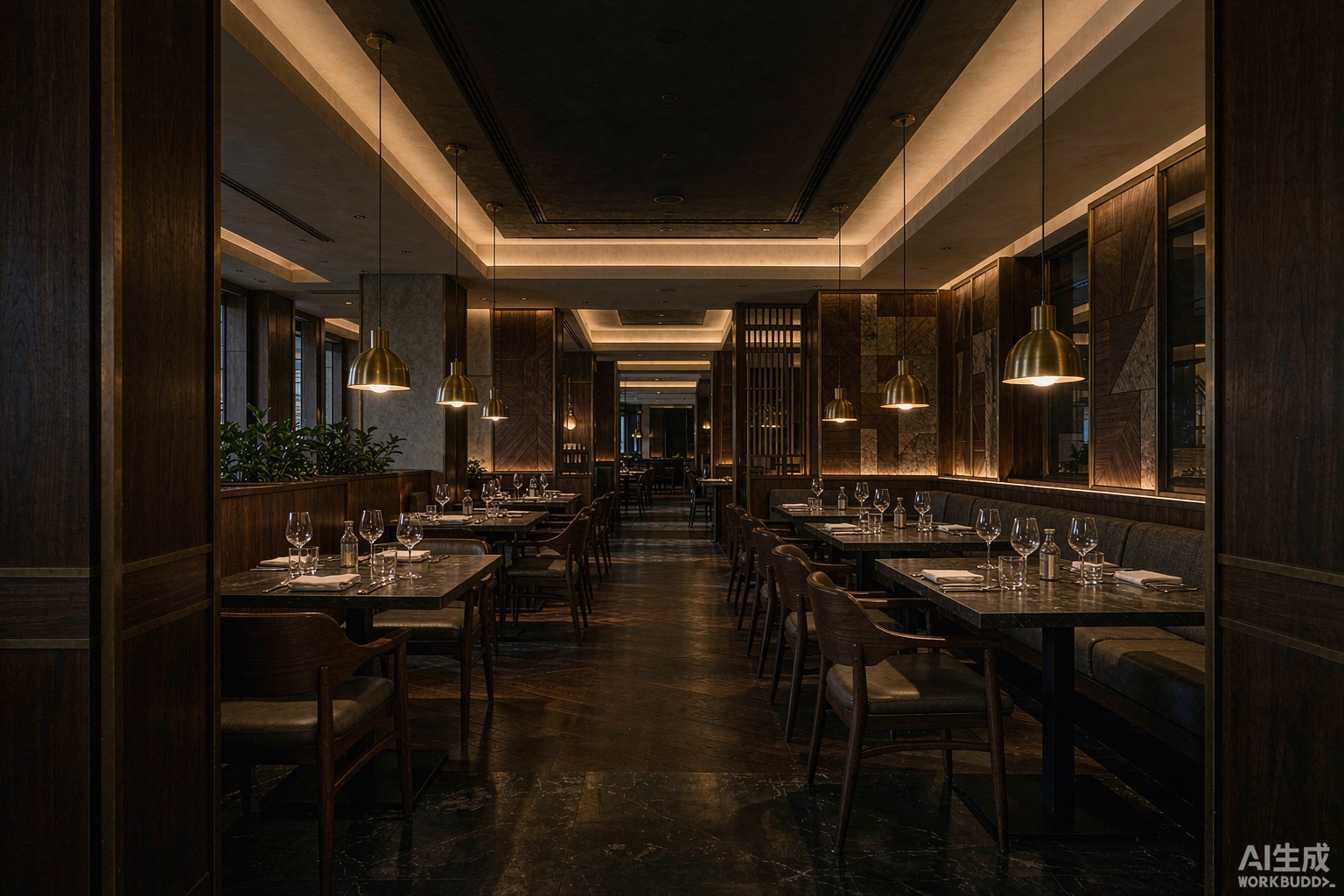
DALI lighting OEM program

DALI lighting

Not one DALI product — the full line. Drivers, dimming actuators, sensors, power supplies and bridges, so your lightin…

View program →
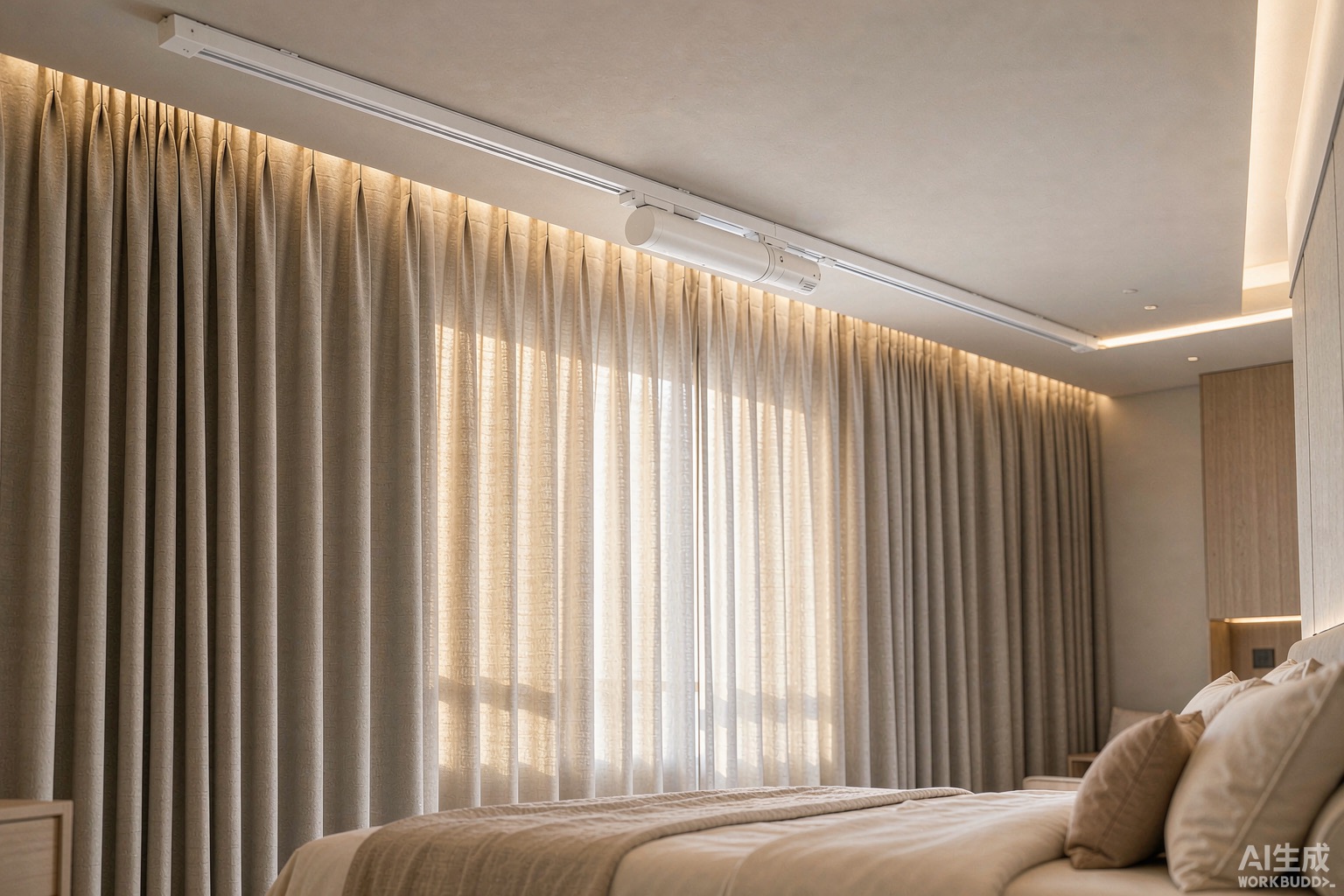
Curtain motors OEM program

Curtain motors

Tubular curtain motors and track systems that actually integrate with your control platform — quiet, position-aware, a…

View program →
Private label suites OEM program

Private label suites

Not one product — a matched range. Panels, thermostats, sensors and shading control that share a design language, a pa…

View program →
How it works

Five stages, each with a decision point

Every stage ends with something you can hold: a document, a tested sample, a certificate, a batch report.

STEP 1

Specification

We write down what the product must do — protocol, sensing, finish, certification, price target — before anyone quotes anything.

STEP 2

Supplier shortlist

Three factories that actually make this product, audited and compared on capability, not on the price they put in the first email.

STEP 3

Sample & test

Samples tested against the specification in my own setup: protocol behaviour, thermal margin, acoustic noise, firmware version control.

STEP 4

Tooling & certification

Moulds, pilot batch, then the certification route — CE/UKCA first, KNX or Matter where it earns its cost.

STEP 5

Production & QC

Batch inspection with a written test protocol and photo record, before the container leaves, not after it arrives.

Full process, timelines and payment gates

“KNX compatible” is not “KNX certified”. On a 200-room project, that difference is a claim.

Every product I put into tooling gets a written certification route before the first mould is cut — including the honest answer of when certification is not worth the money.

Questions

Straight answers

What exactly do you do that a trading company does not?
A trading company quotes a price on a product that already exists. I start one step earlier: define the specification, test the samples against it, choose the certification route, and stay accountable for the batch that ships. I am the technical owner of the project, not a middleman adding margin to someone else's BOM.
How do you charge?
Two models. A fixed-fee Feasibility Sprint for the definition phase (spec, supplier shortlist, cost model, certification route — typically 3–4 weeks), and a per-unit program margin for managed OEM once tooling is approved. No commission from factories, no hidden rebates — the unit price you see is the factory price.
What is the minimum order quantity?
It depends on the product and the tooling. Variants of an existing platform can start around 200–300 units; a new mechanical design with new moulds usually needs 500–1,000 to make the tooling amortisation sane. I will tell you the real number instead of quoting a low MOQ and raising it later.
Can you handle KNX certification?
Yes, as a managed process with an accredited test lab. I will also tell you when you do not need it: for many products a certified BCU with a well-tested application is commercially sufficient, and full certification only pays when you sell into specification-driven projects.
Is the 200-piece MOQ real?
Yes — 200 pieces per variant is the actual starting point, not a hook. For some products (fully custom moulds, low-volume electronics) the sensible commercial number is higher, and I will tell you why before you commit rather than after.
Can we get samples before committing?
Yes. Samples are provided as part of the validation stage, before any tooling decision. They are production-intent samples built the way your batch will be built — not hand-finished demos.
What does certification cost?
Certification support is part of the program, and for many products several standard certifications (CE/UKCA documentation, RoHS files) are covered at no extra cost. Lab campaigns such as full KNX or Matter certification are a separate, transparent line item — quoted before anything starts, never discovered later.
Do I own the tooling and the design?
On paid tooling, yes — moulds are invoiced at cost and formally transferred with documentation. Design ownership is set in the development agreement; for fully custom work you own the mechanical design and, where agreed, the firmware source via escrow.
What markets do you usually work with?
Mostly Europe, the Middle East and Australia — markets where CE/UKCA or local conformity, documentation quality and after-sales support actually matter. I work in English and Chinese, and I am in the same time zone as the factories, not eight hours behind them.

Tell me the product. I will tell you if it is worth building.

A feasibility call costs nothing and usually saves a five-figure tooling mistake. Bring your target market, your volumes and the product you have in mind.